Health and Safety Risks Caused by Small Animals in Commercial Facilities
Local contractors specializing in small animal removal can help mitigate health and safety risks caused by small animals in commercial facilities by safely removing pests and preventing damage.
Visitors exploring concerns about health and safety risks caused by small animals in commercial facilities are in the right place. Small animals such as rodents, bats, and birds can pose serious health hazards, including the spread of diseases and contamination of food and work areas. Property owners in the local area often find it practical to understand these risks, especially when considering the potential impact on employee safety, regulatory compliance, and overall facility hygiene. Learning about how local contractors handle small animal removal can provide peace of mind and practical solutions to address these issues effectively.
Continuing to read can reveal valuable insights into the importance of timely intervention and professional removal services. Small animals can quickly establish nests, damage infrastructure, and create environments conducive to health hazards, making swift action essential. Local service providers who specialize in small animal removal understand the unique challenges faced by commercial facilities and can help mitigate health and safety risks caused by small animals. Connecting with experienced contractors can ensure that these concerns are managed efficiently, supporting a safe and compliant working environment.
- Commercial building inspections - businesses may need this service when signs of small animal activity pose health and safety risks, with local contractors conducting thorough assessments to identify entry points and contamination.
- Small animal exclusion and sealing - facilities facing potential health hazards from small animals often require local service providers to secure entry points and prevent future infestations.
- Rodent and pest removal - when small animals threaten the safety of employees or customers, local pros employ humane and effective removal techniques to mitigate health risks.
- Sanitation and cleanup services - after small animals are removed, local contractors help ensure the facility is sanitized to eliminate disease-causing pathogens and reduce health hazards.
- Health risk assessment consultations - businesses concerned about health and safety risks caused by small animals can contact local experts to evaluate the situation and recommend appropriate mitigation strategies.
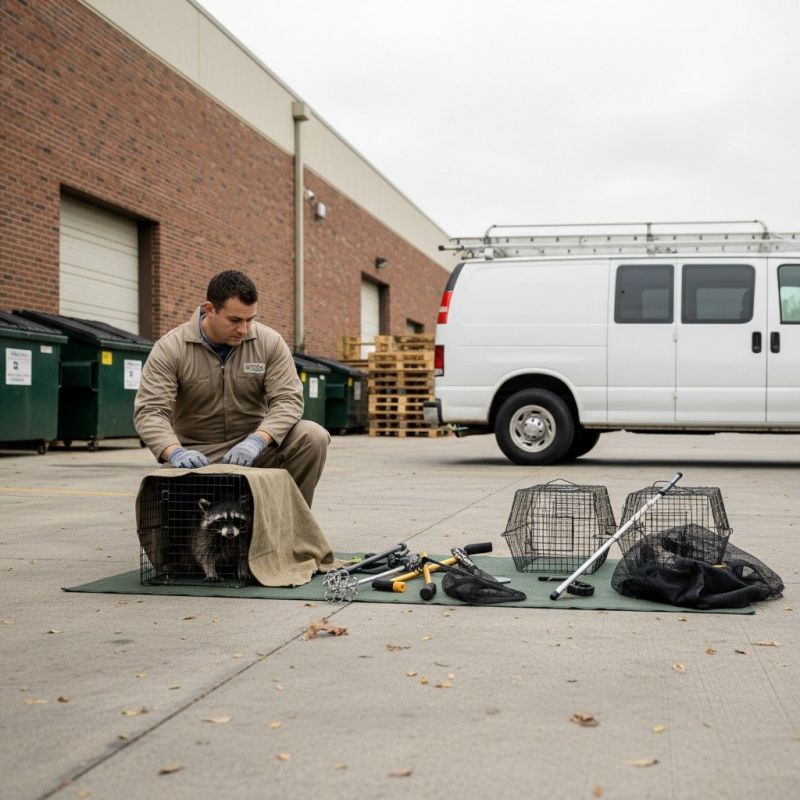
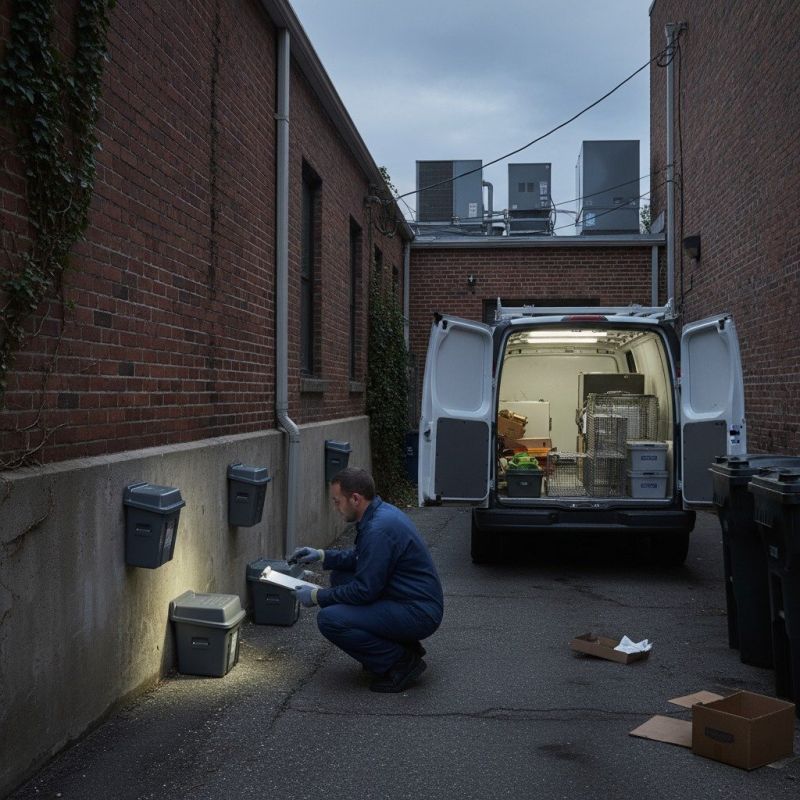
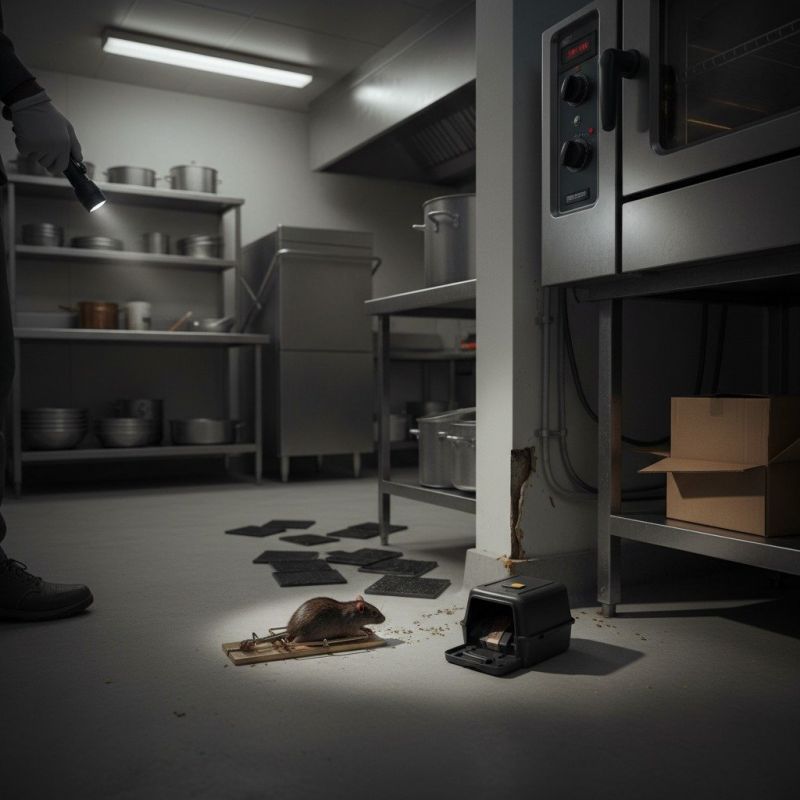
When people search for information about health and safety risks caused by small animals in commercial facilities, they are often concerned about the potential hazards that these animals can introduce to their workplaces. Small animals such as rodents, squirrels, or bats can carry diseases that pose serious health threats to employees and visitors. These pests may also contaminate food supplies, damage equipment, or compromise building hygiene, leading to safety concerns that require immediate attention. Understanding these risks helps property owners and managers recognize the importance of prompt removal and prevention measures to maintain a safe and compliant environment.
This topic typically relates to problems involving pest infestations that threaten the health standards of commercial spaces. It can also tie into plans for building repairs, hygiene protocols, or pest management strategies. For example, a business that handles food products must ensure that small animals are effectively removed to prevent contamination and comply with health regulations. Similarly, facilities with storage areas or warehouses might need to address rodent activity to avoid structural damage or contamination of stored goods. Addressing these issues often involves developing comprehensive pest control plans that include removal, exclusion, and ongoing monitoring, with local contractors specializing in small animal removal playing a key role in implementing these solutions.
The types of properties most commonly affected by health and safety risks caused by small animals include warehouses, manufacturing plants, food processing facilities, restaurants, and retail stores. Commercial buildings with large storage areas or limited entry points are particularly vulnerable to rodent and small animal infestations. Office complexes and institutional facilities like schools or hospitals can also experience issues if small animals manage to enter the premises. These properties often require tailored pest management approaches to prevent and control infestations, ensuring that health and safety standards are maintained. Local service providers who specialize in small animal removal are equipped to assess the unique needs of each property and implement effective strategies to mitigate risks.
For property owners and managers, understanding how small animals can impact health and safety is essential for maintaining a safe working environment. When signs of small animal activity are detected, or if there are concerns about potential risks, engaging experienced local pros is a practical step. These professionals can conduct thorough inspections, identify entry points, and safely remove the animals to reduce health hazards. They also provide guidance on exclusion measures to prevent future infestations. Connecting with local small animal removal specialists ensures that commercial facilities can address health and safety risks promptly and effectively, helping to protect employees, customers, and the integrity of the property.
Rodent Control Projects - These projects involve identifying and eliminating rodent infestations that pose health and safety risks caused by small animals in commercial facilities, requiring similar inspection and removal skills.
Wildlife Exclusion Services - Exclusion work focuses on sealing entry points and preventing small animals from accessing buildings, aligning with planning and safety measures for small animal risks.
Pest Inspection and Monitoring - Regular inspections for signs of small animal activity help detect health hazards early, using comparable tools and observation techniques as commercial small animal removal.
Structural Damage Repair - Repair projects address damage caused by small animals, necessitating planning and safety considerations similar to those in health risk mitigation efforts.
Sanitation and Debris Cleanup - Removing droppings, nests, and contaminated materials relates to health and safety risks caused by small animals in commercial settings, requiring careful handling and disposal.
Building Maintenance and Sealing - Preventative maintenance projects focus on sealing gaps and vulnerabilities, which are essential steps in reducing health and safety risks caused by small animals in facilities.
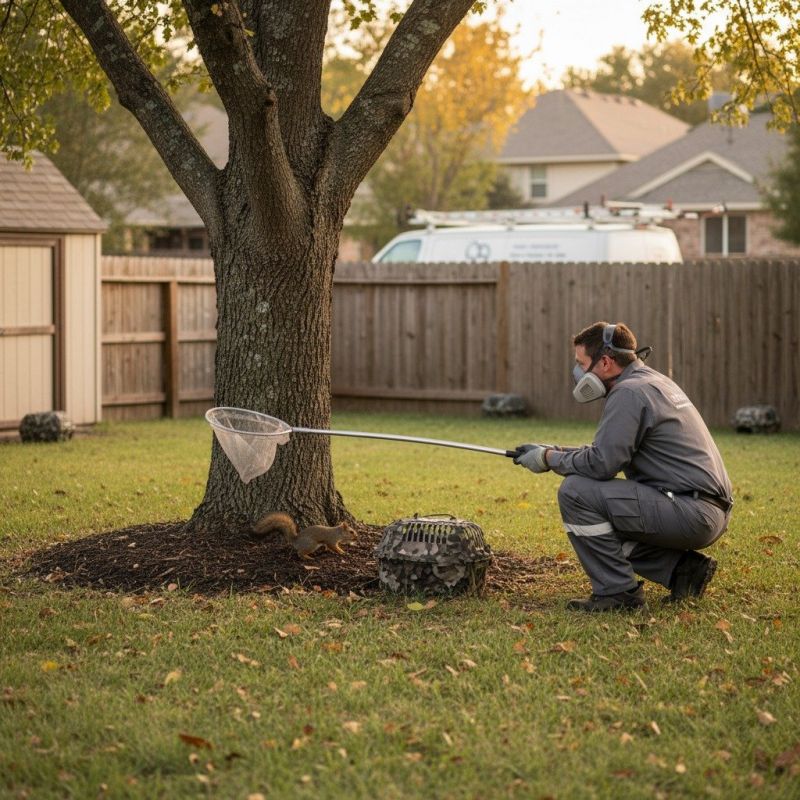
When evaluating local contractors for addressing health and safety risks caused by small animals in commercial facilities, experience with similar projects is a key factor. It is important to consider whether the service providers have a track record of handling small animal removal in environments comparable to the specific commercial setting. Contractors with relevant experience are more likely to understand the unique challenges involved, such as the potential for contamination, structural damage, or the presence of hazardous waste. This familiarity can help ensure that the removal process is thorough, minimizing ongoing risks and preventing future issues related to small animals.
Clear written expectations are essential when comparing service providers for small animal removal. A reputable contractor should provide detailed descriptions of the scope of work, including inspection procedures, removal techniques, and post-removal cleanup. Having this information in writing helps prevent misunderstandings and ensures that the project aligns with the facility’s health and safety priorities. It also allows property owners to assess whether the proposed approach addresses all necessary aspects of small animal risks, from containment to sanitation, providing a solid basis for making an informed decision.
Good communication and reputable references are vital indicators of a dependable service provider. Contractors who communicate clearly and promptly can better coordinate with facility management and respond to any concerns during the project. Verifying references from previous clients with similar needs can provide insights into the contractor’s professionalism, reliability, and effectiveness in managing health and safety risks caused by small animals. These factors contribute to a smoother process, reducing the likelihood of surprises or unresolved issues that could compromise the safety of the commercial environment.
Property owners often search for health and safety risks caused by small animals in commercial facilities when they are planning practical projects around their homes and businesses. Local pros provide Commercial Small Animal Removal services for everyday jobs and straightforward project options.
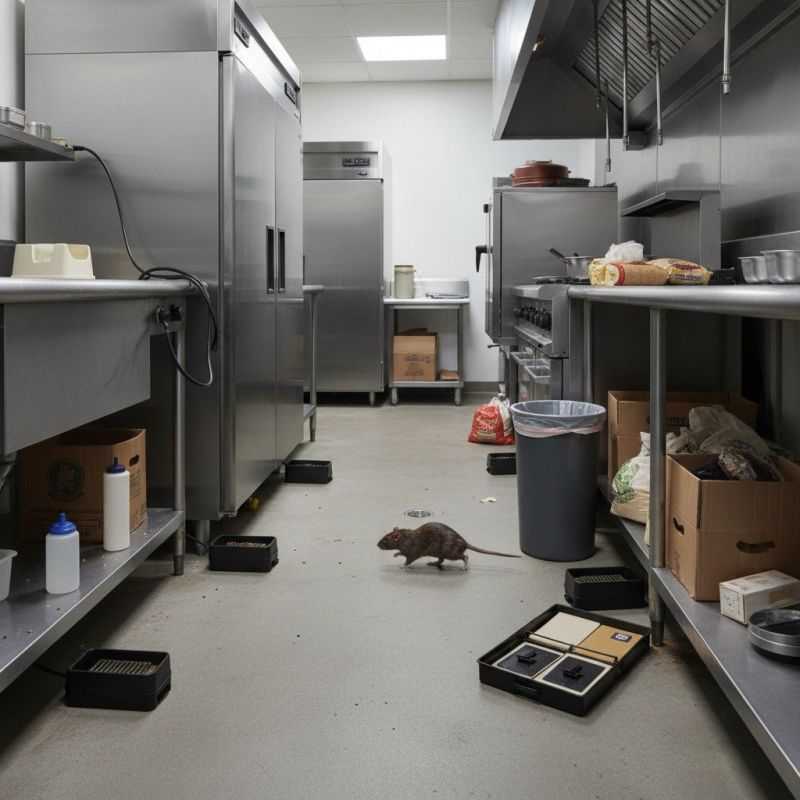
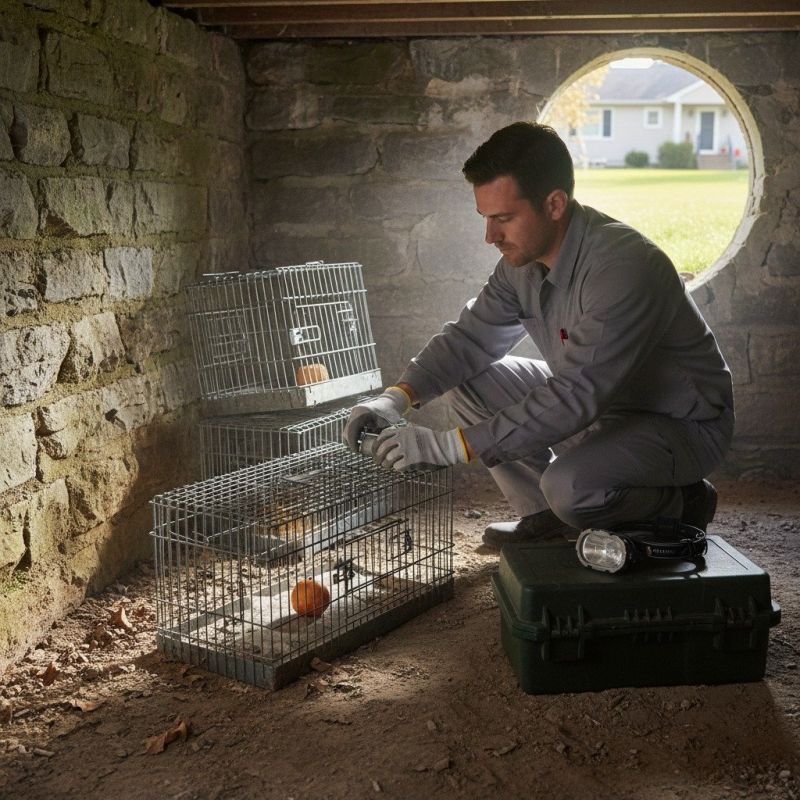
Small animals such as rodents, birds, and insects can pose significant health and safety risks in commercial facilities. Their presence often leads to contamination of food supplies, surfaces, and equipment, increasing the potential for the spread of diseases. In everyday project situations, property owners may notice signs of small animal activity-such as droppings, gnaw marks, or unusual noises-and seek professional assistance to address these concerns promptly. Local contractors who specialize in small animal removal are equipped to handle these issues efficiently, helping to minimize health hazards and prevent further infestations that could compromise workplace safety.
Property owners in the area might consider commercial small animal removal services to ensure a safe and sanitary environment for employees and visitors. Small animals can create hazards by damaging insulation, wiring, and structural components, which could lead to electrical fires or other safety risks. Engaging experienced local service providers can help resolve these problems quickly, reducing the likelihood of health issues or safety incidents. By addressing small animal concerns early, businesses can maintain a secure facility and avoid the costly disruptions that infestations often cause.
What health and safety risks can small animals cause in commercial facilities? Small animals such as rodents and insects can carry diseases, contaminate food supplies, and cause structural damage, all of which pose significant health and safety concerns in commercial environments.
How do small animals typically enter commercial facilities? Small animals often gain access through gaps, vents, or damaged areas in the building’s exterior, making it important to identify and seal entry points to prevent infestations.
Why is it important to address small animal presence promptly in commercial settings? Prompt removal reduces the risk of disease transmission, contamination, and structural damage, helping to maintain a safe and compliant environment for employees and customers.
What role do local contractors play in managing health and safety risks caused by small animals? Local contractors specialize in humane removal and exclusion methods that help eliminate small animals and prevent future infestations, reducing health and safety hazards.
What are the potential consequences of neglecting small animal issues in commercial facilities? Ignoring small animal problems can lead to increased health risks, regulatory violations, and costly damage to property and reputation.
Conduct thorough inspections - property owners can work with local contractors to identify small animal entry points that pose health and safety risks caused by small animals in commercial facilities.
Implement exclusion measures - applying sealing and barrier techniques with the help of local pros helps prevent small animals from entering sensitive areas.
Establish ongoing monitoring - setting up regular checks with local service providers helps detect early signs of small animal activity and mitigate health risks promptly.
Remove existing infestations safely - engaging experienced small animal removal services ensures the safe and humane removal of animals, reducing health hazards in the facility.
If you are thinking about health and safety risks caused by small animals in commercial facilities for a property, this guide is meant to help you understand this topic, the typical project types, and how different options might fit your plans.
When you are ready, you can use the quote form on this page to share a few details about your project. From there, local pros can review the basics and follow up with options that match what you have in mind.